

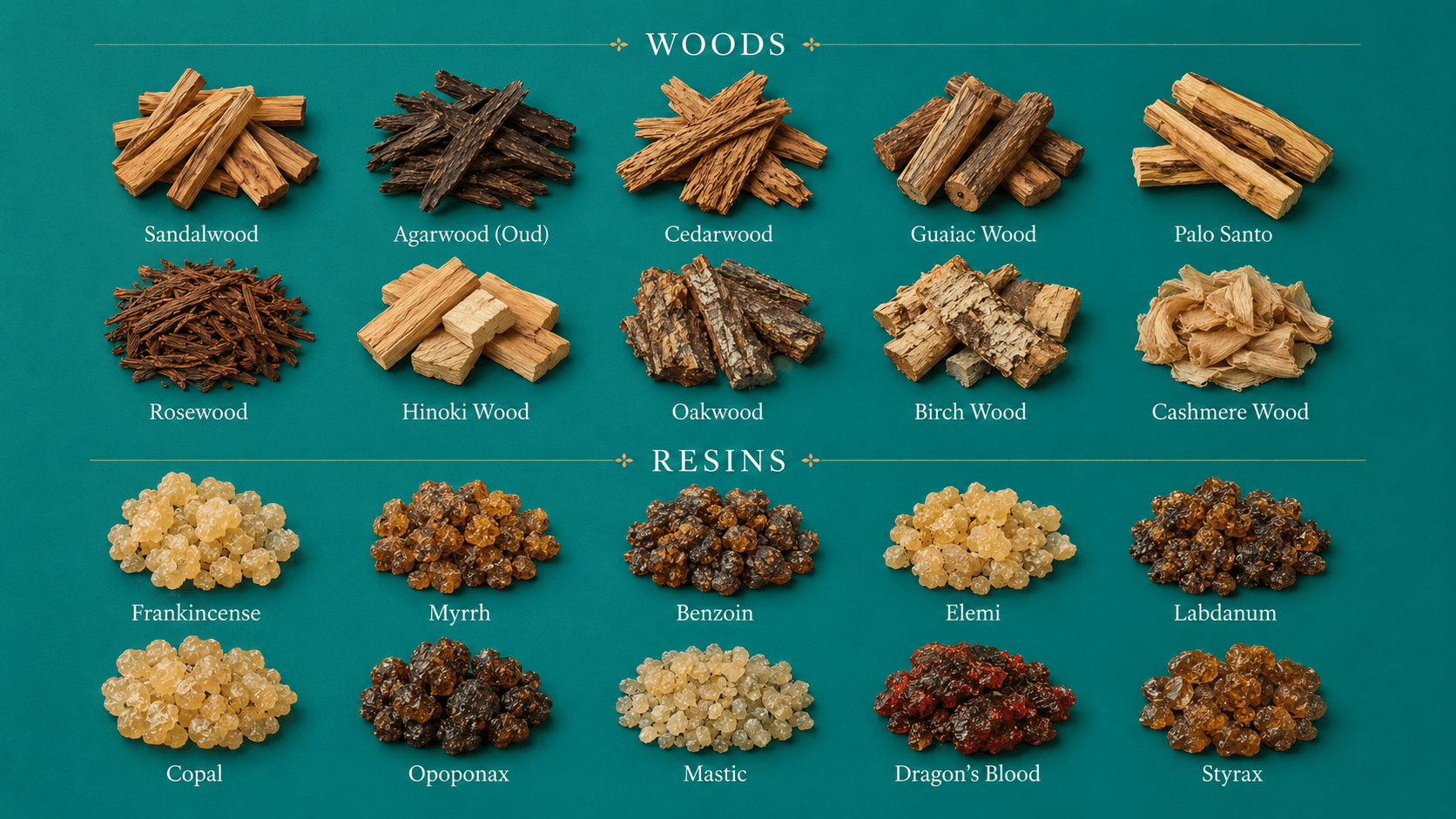
Luxury Wood and Resin Notes in High-End Perfumes: Hello, fragrance friends! Since we’re still honoring the most luxurious ingredients in perfumery, I thought it was only fair to let these little stars enjoy their solo moment before they all get thrown together in a bottle. So, welcome back to the wonderfully glamorous – and occasionally mischievous – world of perfume notes, where the smallest ingredients somehow have us completely under their spell. After all, it only takes a few tiny scent rebels to turn curiosity into obsession!
Luxury Wood and Resin: There are so many notes out there that I had to organize them before they organized me, so I’ve sorted them into five stylish categories: Flowers & Botanicals, Woods & Resins, Citrus & Fruity Notes, Gourmands & Sweet Notes, and Aromatic & Green Notes.
Here is my post about Flowers and Botanicals – wait until you see which ones are hiding in your favorite perfumes here.
Today, we continue with Luxury Wood and Resin: creamy sandalwood that melts into the skin, deep cedarwood that feels calm but powerful, smoky oud that leaves a trail you can’t ignore, and warm amber and resins that wrap everything in a golden glow. Each note has its own mood, its own depth, and yes… its own way of lingering on your skin.
Ready to sniff like a pro?
🌲 Luxury Wood & Resin Perfume Notes
- Indian Mysore Sandalwood – Warm, smooth, and luxurious.
- Oud / Agarwood – Rare, smoky, and deeply resinous.
- Frankincense – Resinous and slightly spicy, perfect for depth.
- Myrrh – Ancient, rich, and mysterious.
- Cedarwood (Atlas or Virginia) – Dry, clean, and grounding.
Luxury Wood and Resin Notes in High-End Perfumes: Indian Mysore Sandalwood
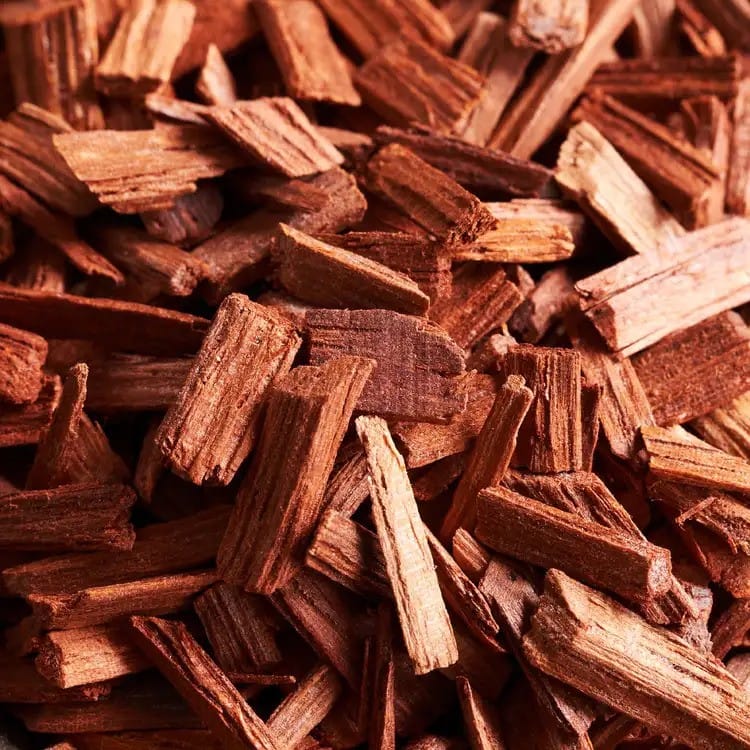
Origin of the Name: Where Mysore Sandalwood Comes From
Mysore Sandalwood comes from the sandalwood trees (Santalum album) traditionally grown in the Mysore region of Karnataka, India. For centuries, this region has been known as the home of some of the finest sandalwood in the world. In perfumery, the name “Mysore Sandalwood” has become a symbol of rare quality, creamy richness, and pure authenticity.
Story of Mysore Sandalwood:
Luxury Wood and Resin: Indian Mysore Sandalwood has been treasured for over 2,000 years and is deeply woven into India’s cultural and spiritual heritage. Ancient temples were built with sandalwood carvings, and kings stored precious sandalwood oil alongside gold and jewels.
According to tradition, sandalwood was believed to calm the mind and elevate the spirit, making it a sacred material in religious ceremonies. The finest heartwood was so valuable that it was once controlled and protected by royal authorities. Even today, vintage Mysore sandalwood oil is considered one of perfumery’s greatest treasures.
Luxury Wood and Resin: Quality & Characteristics of Indian Mysore Sandalwood
• Aroma: Exceptionally creamy, smooth, and rich. It has a soft woody profile with milky facets, subtle sweetness, warm spices, and a distinctive velvety texture that lingers beautifully on the skin.
• Usage in Perfumes: Mysore Sandalwood is one of the most prized base notes in luxury perfumery. It appears in woody, oriental, floral, and amber compositions, adding depth, smoothness, and remarkable longevity.
• Extraction & Rarity: The precious oil is extracted from the heartwood of mature trees, often decades old. Due to overharvesting, strict regulations, and limited supply, genuine Mysore sandalwood oil has become extremely rare and expensive.
• Why It Stands Out: Unlike many other sandalwoods, Mysore Sandalwood possesses an unmatched creamy richness and natural complexity. It blends with florals, spices, resins, and amber notes while maintaining its elegant identity throughout a fragrance’s development.
Scent Secrets: What Mysore Sandalwood Really Smells Like
Luxury Wood and Resin: I’ve never actually smelled real Mysore sandalwood myself, since it’s now heavily restricted and almost impossible to come across in modern perfumery. But many perfumers and fragrance historians describe it in a very specific way.
They often say it smells incredibly creamy and soft, almost like warm milk mixed with polished wood. There’s this smooth, velvety texture to it – never dry or sharp. Some describe it as having a slightly sweet, almost milky sweetness, with a natural warmth.
Others compare it to fine, old wood that’s been gently warmed by skin, with a kind of sacred, meditative feeling to it. Not smoky, not spicy – just deeply comforting, round, and elegant.
And that’s usually the point everyone agrees on: it doesn’t try to stand out. It just feels expensive, calm, and complete.
Luxury Wood and Resin: Perfumes Featuring Mysore Sandalwood
After the late 1980s – 1990s, Mysore sandalwood became heavily restricted and is now extremely rare. Most perfumes shifted to using Australian sandalwood and synthetic sandalwood molecules like Javanol and Polysantol. So any “modern bottle” you buy today is almost certainly not made with Mysore sandalwood oil anymore.
Luxury Wood & Resin Notes in High-End Perfumes: Oud / Agarwood
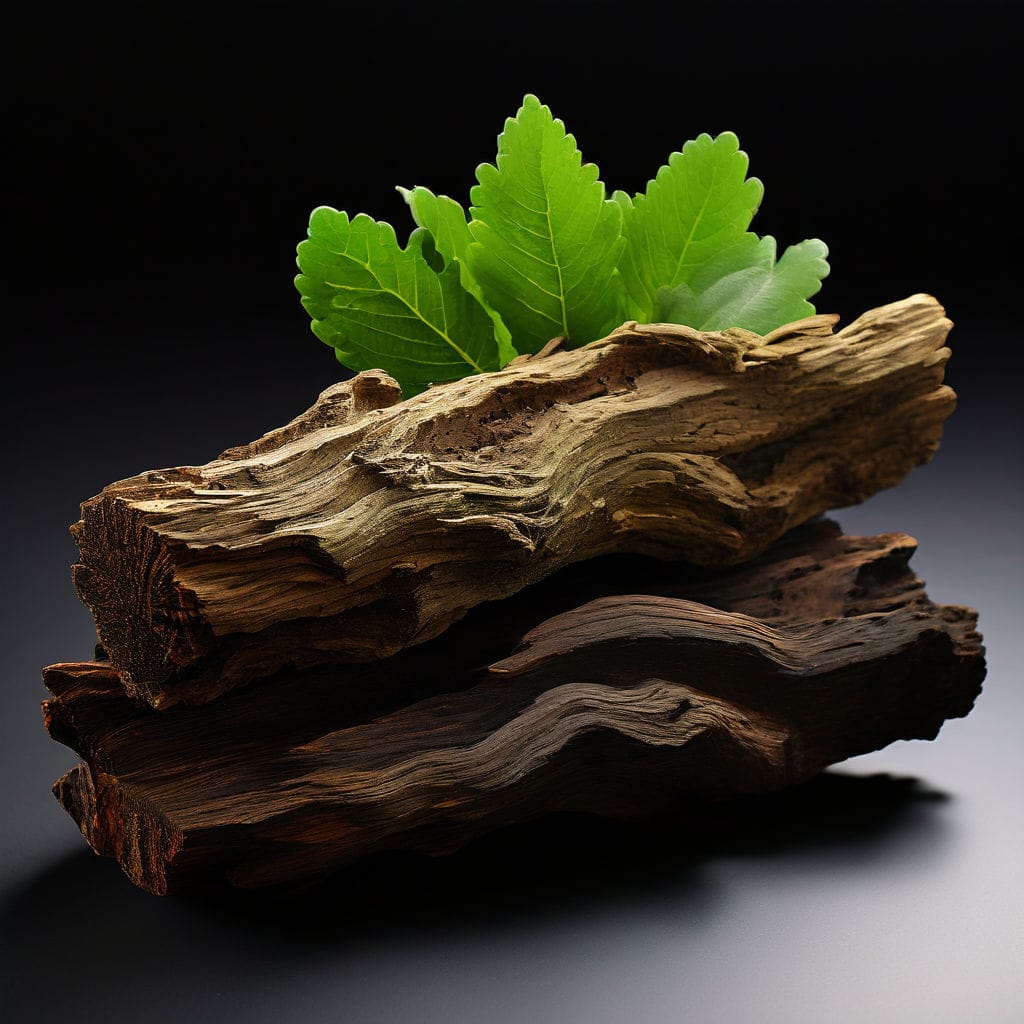
Origin of the Name: Where Oud/Agarwood Comes From
Oud, also known as agarwood, comes from the Aquilaria tree, which grows in Southeast Asia and parts of South Asia. When the tree gets naturally infected by a certain type of mold, it reacts by producing a dark, fragrant resin to защит itself. That resin-wood is what we call agarwood, and the precious oil that’s distilled from it is known as oud.
The word “oud” itself comes from Arabic, meaning “wood,” which already tells you how deeply rooted it is in Middle Eastern culture and perfumery traditions.
Story of Oud/Agarwood:
Luxury Wood and Resin: Often called “liquid gold,” oud has been one of the most prized fragrance materials in the world for over a thousand years. Ancient traders carried it along the Silk Road, where it was traded for precious gems and spices
In many Middle Eastern cultures, burning oud wood is still a sign of hospitality, status, and celebration. Historical records also mention it being used in royal courts, sacred temples, and religious ceremonies, from Arabia all the way to China.
And because only a small number of Aquilaria trees naturally produce the resin, real oud has become one of the rarest and most expensive materials in perfumery.
Luxury Wood and Resin: Quality & Characteristics of Oud / Agarwood
• Aroma: Deep, rich, and intensely complex. Depending on its origin, oud can reveal facets of warm wood, leather, smoke, amber, earth, spices, dried fruits, and even subtle animalic nuances. No two oud oils smell exactly alike.
• Usage in Perfumes: Oud is a prized base note in luxury fragrances. It adds power, depth, longevity, and an unmistakable sense of opulence. It is frequently paired with rose, saffron, sandalwood, amber, vanilla, and exotic spices.
• Extraction & Rarity: Genuine oud oil is obtained through a lengthy distillation process using resin-rich agarwood. Since natural resin formation is rare and takes years to develop, authentic oud is among the most expensive perfume ingredients in the world.
• Why It Stands Out: Few perfume materials possess oud’s extraordinary depth and character. It can be dark elegant, refined, making it one of the most captivating and luxurious notes ever used in fragrance creation.
Scent Secrets: What Oud / Agarwood Really Smells Like
Luxury Wood and Resin: Oud smells deep, dark, and very rich. It has a warm, woody intensity that can feel smoky, slightly animalic, and sometimes even a bit sweet or resinous, depending on the type. There’s a strong sense of depth to it – like polished dark wood mixed with incense and a touch of leather.
Good-quality oud has balance. It doesn’t feel light or airy at all. Instead, it feels heavy in a luxurious way. Some people find it mysterious and addictive, while others find it a bit challenging at first because it’s so powerful and complex.
🌸 Visit My Perfume Atelier & Shop
If you enjoy exploring the world of fragrance with me, you are warmly invited to visit my Perfume Atelier & Shop. Inside, you’ll find small fragrance-inspired creations such as aesthetic perfume posters, printable fragrance cards, poetic eBooks, and my personality-based perfume survey. Each piece is created with love and offered at symbolic prices to keep this independent fragrance blog alive.
Luxury Wood and Resin: The key truth about “real oud” in perfumes
True natural oud oil:
- is extremely expensive
- varies wildly batch to batch
- is mostly used in very niche attars and artisanal perfumery
- not in mainstream luxury designer/niche global releases
Luxury Wood & Resin Notes in High-End Perfumes: Frankincense
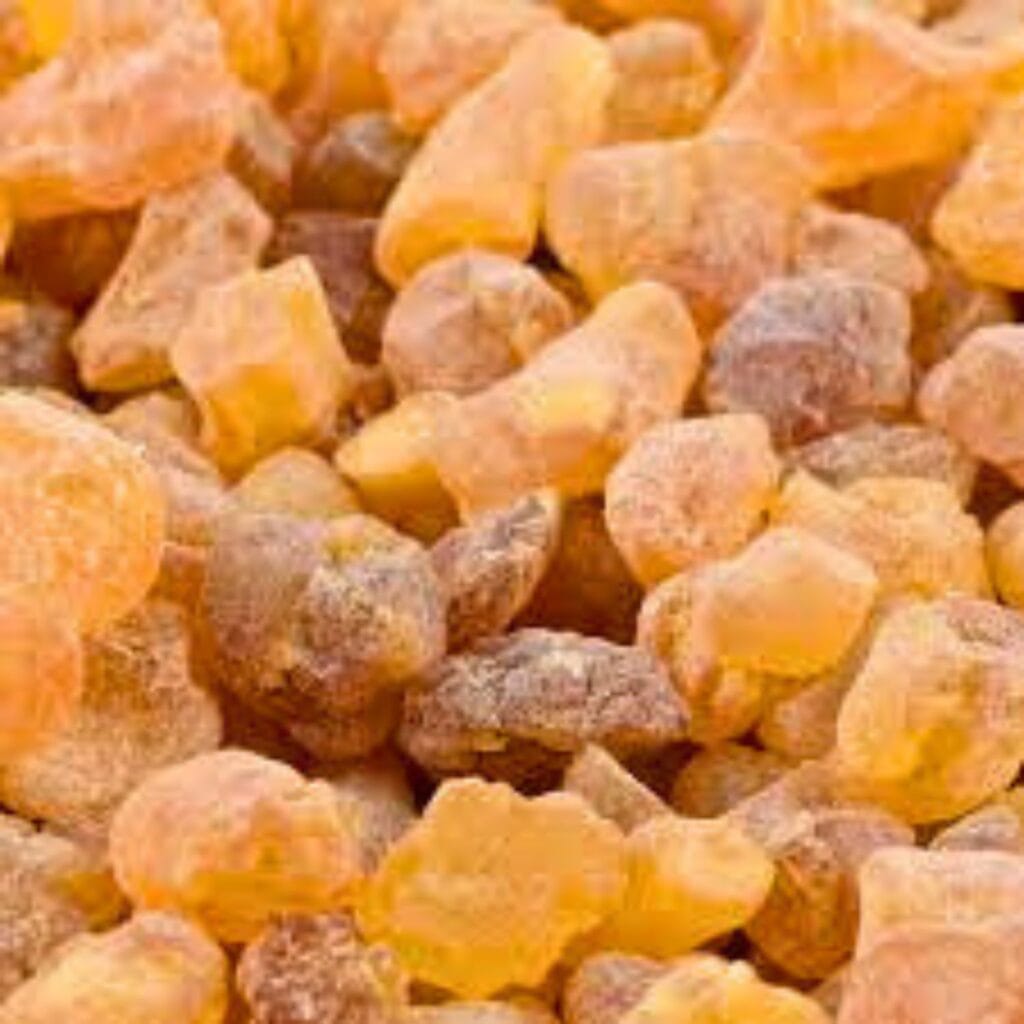
Origin of the Name: Where Frankincense Comes From
Frankincense comes from the resin of Boswellia trees, which grow in dry, arid regions like the Arabian Peninsula, East Africa, and parts of India. The name “frankincense” actually comes from the Old French franc encens, which means “high-quality incense” or “pure incense.”
For centuries, it’s been one of the most valued aromatic materials in the world – loved not just for its scent, but also for its deep spiritual meaning.
Story of Frankincense:
Luxury Wood and Resin: Frankincense has a history going back more than 5,000 years. In ancient times, it was so valuable that it was traded right alongside gold, silk, and precious gemstones. Caravans crossed huge deserts along the famous Incense Route just to carry this precious resin to places like Egypt, Rome, Greece, and beyond.
The ancient Egyptians used frankincense in religious ceremonies and even in embalming rituals. Later on, it became a symbol of reverence in many faiths. And one of its most famous mentions is as one of the gifts brought to the infant Jesus by the Three Wise Men, which really cemented its image as something fit for kings and sacred moments.
Luxury Wood and Resin: Quality & Characteristics of Frankincense
• Aroma: Bright, resinous, and sophisticated. Frankincense combines fresh citrus facets with soft pine, aromatic herbs, subtle spice, and a gentle smoky warmth. It feels both uplifting and grounding at the same time.
• Usage in Perfumes: Frankincense is widely used in luxury fragrances, particularly in woody, oriental, amber, and incense compositions. It adds elegance, depth, and an airy spiritual quality that elevates surrounding notes.
• Extraction & Rarity: The resin is harvested by carefully making cuts in the tree’s bark, allowing aromatic droplets to harden before collection. High-quality frankincense from select Boswellia species is increasingly prized due to limited growing regions and challenging harvesting conditions.
• Why It Stands Out: Few ingredients balance freshness and depth as beautifully as frankincense. Its ability to feel luminous, mysterious, and refined simultaneously makes it one of perfumery’s most versatile and beloved resins.
Scent Secrets: What Frankincense Really Smells Like
Luxury Wood and Resin: Real frankincense on your skin? It smells fresh, resinous, and slightly citrusy at first, then slowly turns warm, woody, and a bit smoky as it settles. There’s also this soft, almost lemony brightness underneath that keeps it from feeling too heavy.
Cheaper versions often just give you a flat smoky scent, but they miss that natural depth and brightness.
Luxury Wood and Resin: Perfumes featuring magnificent frankincense?
These are the wise sages of the fragrance world. In my opinion, if you truly want to experience this ancient resin in all its glory, few do it better than Amouage Interlude Man, Comme des Garçons Avignon, and Armani Privé Bois d’Encens. These fragrances let frankincense take center stage.
Luxury Wood & Resin Notes in High-End Perfumes: Myrrh
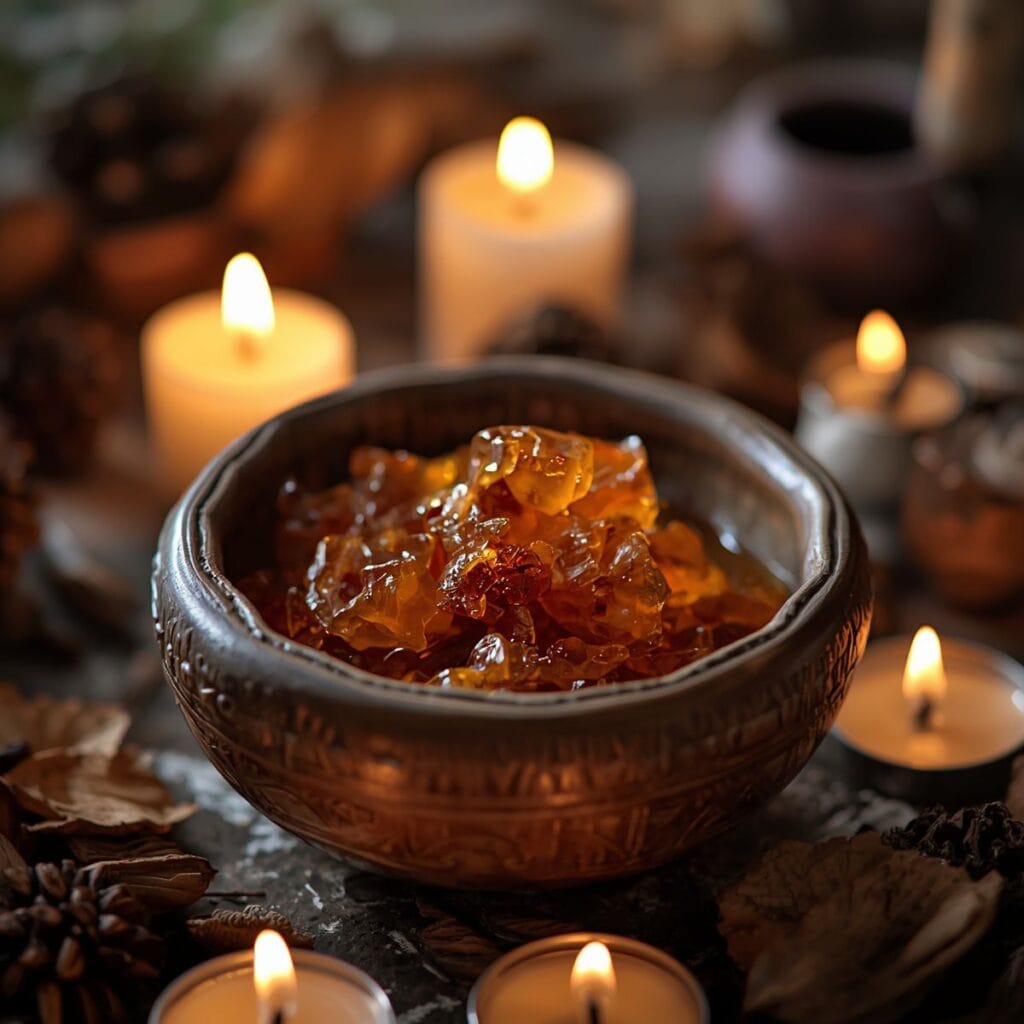
Origin of the Name: Where Myrrh Comes From
Myrrh is a fragrant resin that comes from small, thorny Commiphora trees found mainly in the Arabian Peninsula, Somalia, Ethiopia, and other parts of East Africa. The name myrrh comes from the Arabic word murr, which means “bitter,” referring to its distinctive taste and rich scent. For thousands of years, myrrh has been valued as one of the world’s most precious aromatic materials.
Story of Myrrh
Luxury Wood and Resin: Myrrh has fascinated people since ancient times and was once considered as valuable as gold.
Egyptian pharaohs used it in sacred ceremonies, perfumes, and embalming rituals, believing it helped connect the human world with the divine.
Like frankincense, myrrh was traded along the famous Incense Route and became highly prized by merchants, rulers, and religious leaders. It is also known as one of the gifts brought by the Three Wise Men, representing honor and respect. Throughout history, its deep, mysterious scent has been linked to spirituality, healing, and luxury.
Luxury Wood and Resin: Quality & Characteristics of Myrrh
• Aroma: Warm, rich, and resinous with balsamic sweetness. Myrrh combines earthy, smoky, slightly medicinal facets with hints of amber, spices, and soft woods. Its scent is deeper, darker, and more introspective than frankincense.
• Usage in Perfumes: Myrrh is a prized ingredient in oriental, amber, woody, and incense fragrances. It adds warmth, complexity, and a velvety depth that enriches both masculine and feminine compositions.
• Extraction & Rarity: The resin is collected from natural cuts or carefully made incisions in the tree bark. Once harvested, it can be distilled into essential oil or processed into extracts used in fine perfumery. High-quality myrrh remains a valuable natural material due to its labor-intensive harvesting process.
• Why It Stands Out: Myrrh possesses a unique balance of sweetness and bitterness, richness and softness. Its ability to create an atmosphere of mystery, comfort, and sophistication has made it a cornerstone of luxury perfumery for centuries.
Scent Secrets: What Myrrh Really Smells Like
Luxury Wood and Resin: Real Myrrh on your skin? It has a warm, resinous scent with a slightly bitter edge. At first, it can smell dry and earthy, almost medicinal, with hints of wood, smoke, and soft spices. As it settles, it becomes smoother and warmer, revealing a gentle balsamic sweetness and a soft amber-like quality. Some people also notice touches of leather or incense. Real myrrh feels rich and natural, with a depth that changes over time. Synthetic versions may imitate some of the sweetness, but they often miss the complex, slightly smoky and earthy character that makes genuine myrrh so distinctive.
Luxury Wood and Resin: Perfumes featuring magnificent Myrrh?
Perfumes highlighting the beauty of myrrh? These fragrances show just how beautiful myrrh can be: Jo Malone Myrrh & Tonka, Armani Privé Myrrhe Impériale, Serge Lutens La Myrrhe, Tom Ford Myrrhe Mystère, and Ormonde Jayne Tolu. Rich, elegant, and captivating, they reveal why myrrh remains one of perfumery’s most treasured resins.
Luxury Wood & Resin Notes in High-End Perfumes: Cedarwood (Atlas or Virginia)
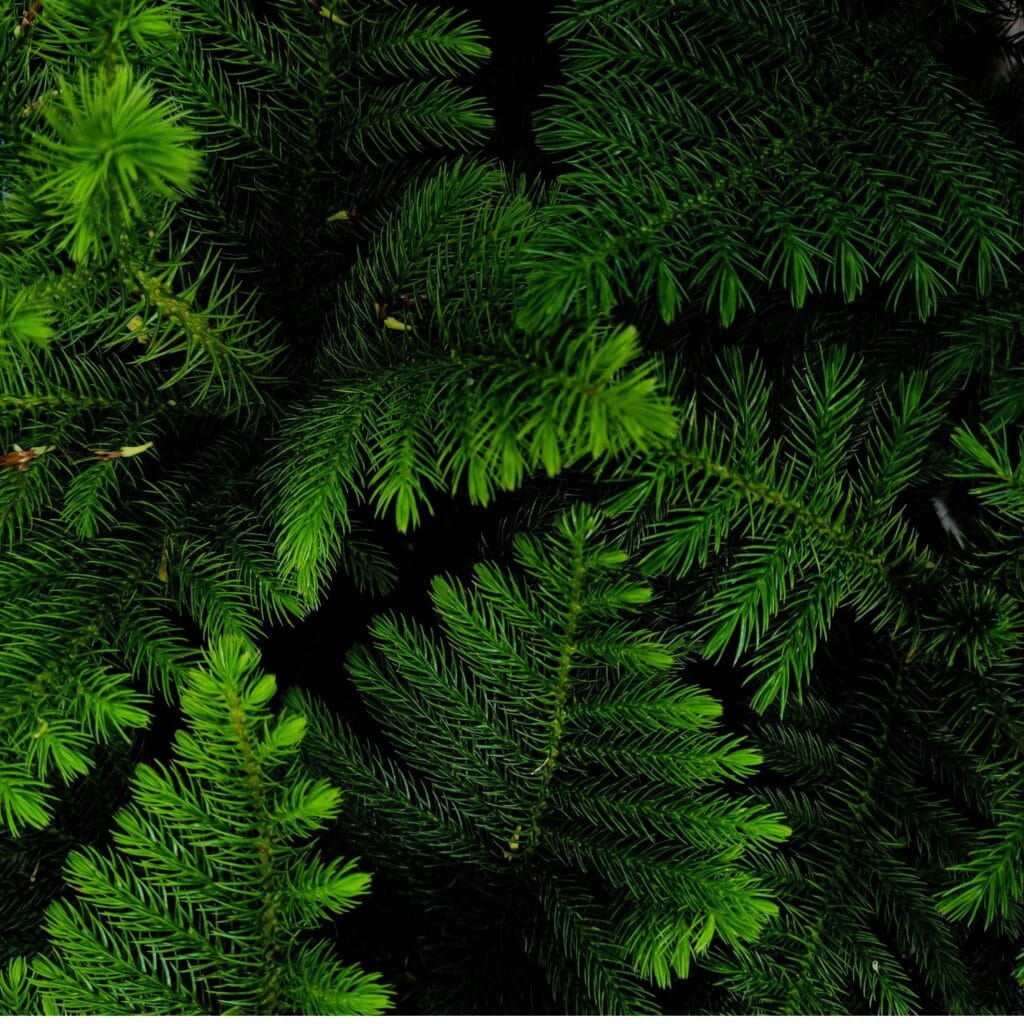
Origin of the Name: Where Cedarwood Comes From
Cedarwood comes from tall, majestic conifer trees that are prized for their beautifully scented wood. In perfumery, the two most popular types are Atlas cedarwood from the Atlas Mountains of Morocco and Virginia cedarwood from North America. Even though they share the same name, they smell quite different. Atlas cedarwood is warm, dry, and slightly smoky, while Virginia cedarwood is smoother and a bit sweeter. Their versatility and timeless character have made cedarwood one of the most loved woody notes in fine fragrance.
Story of Cedarwood:
Luxury Wood and Resin: For thousands of years, Cedarwood has been associated with strength, wisdom, and longevity.
Ancient Egyptians used cedarwood oil in cosmetics, perfumes, and preservation rituals, while the cedar trees of the ancient world supplied timber for temples, palaces, and royal ships.
Atlas cedar, growing high in the rugged Moroccan mountains, became valued for its rich scent and durability. Virginia cedarwood, on the other hand, became famous for its clean, pencil-like smell and eventually became one of the key ingredients in modern perfumery.
Luxury Wood and Resin: Quality & Characteristics of Cedarwood (Atlas or Virginia)
• Aroma: Dry, elegant, and distinctly woody. Atlas Cedarwood tends to be warmer, smoother, and slightly balsamic, with subtle hints of amber and spice. Virginia Cedarwood is fresher and cleaner, often evoking freshly sharpened pencils, dry timber, and soft earth.
• Usage in Perfumes: Cedarwood is a foundational note in countless luxury fragrances. It appears in woody, aromatic, fougère, amber, and floral compositions, where it provides structure, balance, and lasting depth.
• Extraction & Rarity: Cedarwood oil is typically obtained through steam distillation of the wood. While more accessible than rare materials such as oud or Mysore sandalwood, high-quality cedarwood from carefully managed sources remains highly valued by perfumers.
• Why It Stands Out: Cedarwood offers a remarkable combination of elegance and versatility. It blends beautifully with other notes without taking over, adding balance, depth, and a smooth woody base to a fragrance.
Scent Secrets: What Cedarwood Really Smells Like
Luxury Wood and Resin: What does real Cedarwood smell like on the skin? It has a dry, smooth, and slightly warm woody scent. Virginia cedarwood often smells like freshly sharpened pencils, with a clean and slightly sweet character, while Atlas cedarwood is richer, with hints of smoke, resin, and earth. As it settles, cedarwood becomes softer and creamier, adding a calm, comforting warmth.
Luxury Wood and Resin: Perfumes showcasing the beauty of cedarwood?
These are the architects of the fragrance world: Chanel Bleu de Chanel, Creed Royal Oud, Diptyque Tam Dao, Le Labo Cedrat 37, Guerlain Habit Rouge, and Acqua di Parma Colonia Oud. Refined, timeless, and impeccably balanced, they demonstrate why cedarwood remains one of perfumery’s most indispensable woods.
Luxury Wood and Resin: Notes, Fragrances & Characteristics
| Wood/Resin Ingredient | Designer Perfumes | How It Shows in Designer | Niche Perfumes | How It Shows in Niche | Key Fragrance Characteristics |
|---|---|---|---|---|---|
| Modern Sandalwood (Mysore-style interpretation) | Guerlain Santal Royal , Dolce & Gabbana Shine | Creamy, smoky, woody, ambery; Fruity, floral, musky with soft sandalwood warmth | Amouage Opus XVI – Timber, Maison Mataha Printemps Blanc | Smooth, creamy, woody, aromatic; Sparkly, floral, vanilla, wood | Creamy, milky, soft, skin-like, warm, elegant, slightly sweet |
| Oud / Agarwood | Guerlain Aqua Allegoria Forte Oud Yuzu, Davidoff Cool Elixir | Fresh, citrus, woody; Spicy, fresh, oud | Maison Crivelli Oud Maracujá, Amouage Opus XV King Blue | Fruity tropical oud contrast; Smooth spicy-amber oud with modern freshness | Smoky, leathery, fruity-resinous, deep, luxurious, complex |
| Frankincense | Guerlain Rose Amira, Lancôme La Vie est Belle L’Extrait | Smoky, floral, woody; Iris, vanilla, woody, smoky | Maison Crivelli Musc Nurāsana, Omanluxury Caden | Rose, musk, resin; Coffee, spicy, refined aromatic incense structure | Resinous, aromatic, citrus-smoky, spiritual, elegant |
| Myrrh | Chloé Nomade Nuit d’Egypte, Givenchy Fantasque | Spicy, floral, sweet, myrrh; Rich, smooth, warm, woody | Dries Van Noten, Reine de Saba Mirage Suave | Fresh, spicy, sweet; Delicate, floral, spicy, resinous | Warm, balsamic, smoky-sweet, resinous, mysterious |
| Cedarwood (Atlas & Virginia) | Jo Malone London Hinoki & Cedarwood, Dolce & Gabbana Blue Jasmine | Unique Japanese cedar and cypress wood; Milky fig, creamy, woody | Dior Bois Talisman, Dior Homme Intense 2025 | Burning sugar with deep cedarwood; Powdery, sweet, buttery woods | Dry, woody, clean, elegant, structured, versatile |
| Modern Luxury Sandalwood Blends | Gucci Flora Gorgeous Gardenia Intense, Jean Paul Gaultier Scandal Absolu | Sweet, floral, creamy, woody; Creamy coconut, fig, honey, woody, milky | Narcotic Delight, Diptyque Bois Corsé | Creamy sandalwood, cherry, gourmand; Coffee, creamy, woody, gourmand | Creamy, musky, warm, smooth, modern luxury |
Luxurious Wood and Resin: The Mystique of Warmth and Depth
There you have it – the beautiful world of woods and resins, where softness meets shadow and warmth meets mystery. From creamy sandalwood that melts into skin, to smoky oud that lingers like a memory you can’t quite shake, and myrrh that adds a warm, balsamic depth with a slightly mysterious, almost meditative edge.
Some are smooth and comforting, some are deep and dramatic, and some feel almost sacred. Next time you wear a fragrance built on these ingredients, pay attention to how they shift and evolve. It’s never just a scent… it’s a slow, intimate conversation between skin and story.
Meet the Author

Written by Yana – perfume lover, storyteller, and creator of Fragrance Passion Blog.
No sponsorship, no PR packages… just me and my hardworking wallet. To all perfume brands: my wallet isn’t endless, so feel free to reach out and show the world your creations!
Your support means everything to me and keeps the creativity flowing! I’m so grateful and love sharing my passion with you! If you’d like to help me keep creating, feel free to buy me a coffee. Buy Me a Coffee, It truly makes a difference—thank you!
Support here:

FragrancePassionBlog – Love fragrance and pretty things? My Pinterest is your new happy place! Let’s get inspired together.
Stay close and see what’s sparkling over on Pinterest! Join here!
FragrancePassionBlog – Want to chat all things perfume with fellow scent lovers? Come hang out with us on Facebook!
Facebook Page: facebook.com/fragrancepassionblog
Facebook Group: facebook.com/groups/fragrancepassionblog
Please, don’t forget to read my disclaimer.