

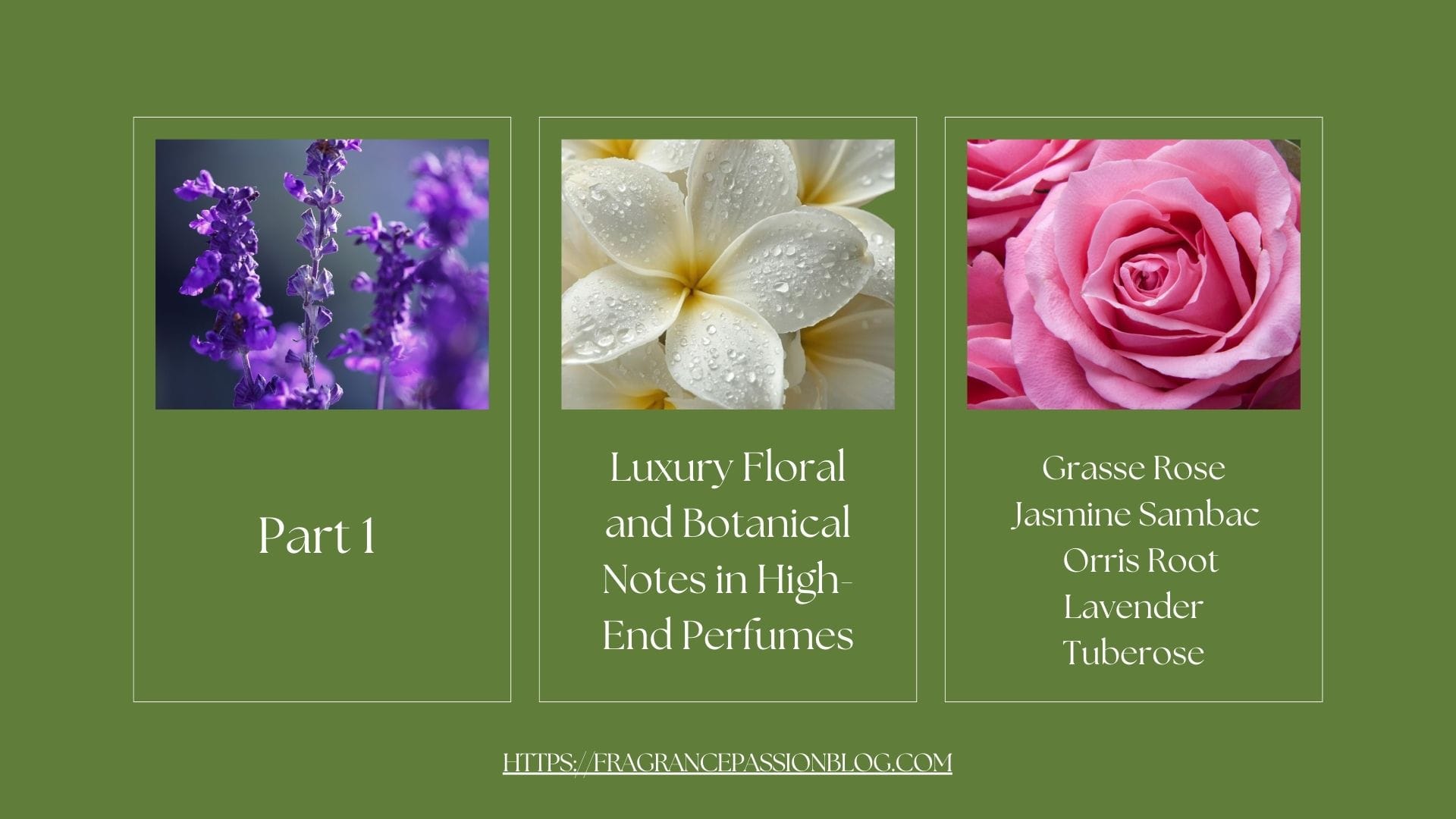
Floral and Botanical Notes Behind the Luxury Perfumes – Hey friends! This morning I woke up, looked at my perfume shelf, and thought, “Okay… it’s time. These ingredients deserve their own spotlight before they start forming a union.” So here we are, stepping into the glamorous (and sometimes chaotic) jungle of perfume notes—the tiny troublemakers that make us hopelessly addicted.
There are *so* many notes out there that I had to organize them before they organized me, so I’ve sorted them into five stylish categories: Florals & Botanical Notes, Woods & Resins, Citrus & Fruity Notes, Gourmands & Sweet Notes, and Aromatic & Green Notes.
Think of them as a fragrance family tree… but with less drama, far more “pleasure family meetings,” and definitely better smells.
Once you start noticing them, you’ll never look at perfume the same way again. They’re the real stars—the ones that linger, spark curiosity, and turn heads without saying a word. Let’s begin with the Floral and Botanical Notes: velvety roses that make you sigh, alluring jasmine that brings out your elegance and femininity, and iris that glides across your skin like it owns the place. Each note has its own quirks, its own story, and yes… its own way of making you completely obsessed.
Ready to sniff like a pro?
🌸 Luxury Floral and Botanical Notes
- Grasse Rose – From the heart of France, lush and velvety.
- Jasmine Sambac – Creamy, intoxicating, and romantic.
- Iris (Orris Root) – Powdery elegance that takes years to produce.
- Lavender (Provence) – Fresh, aromatic, naturally soothing.
- Tuberose – Bold, tropical, and head-turning.
Luxury Floral and Botanical Notes in High-End Perfumes: Grasse Rose 🌹
Origin of the Name:
Grasse is a small town in the south of France, often called the “perfume capital of the world.” The roses grown here—mostly Rosa centifolia—are prized for their exceptional fragrance, which is why they carry the name Grasse Rose. This isn’t just any rose; it’s synonymous with high-quality perfumery.
Story: Grasse’s roses became famous in the 17th century when perfumers discovered that the town’s limestone-rich soil and sunny climate produced the most fragrant roses in the world. Legend says that the rose petals were once hand-picked by local villagers at dawn and pressed immediately into rosewater, a ritual so precise it was considered a sacred art. Grasse Rose even became the perfume of choice for French royalty, including Marie Antoinette, whose gardens were filled with these blooms.
Quality & Characteristics of Grasse Rose
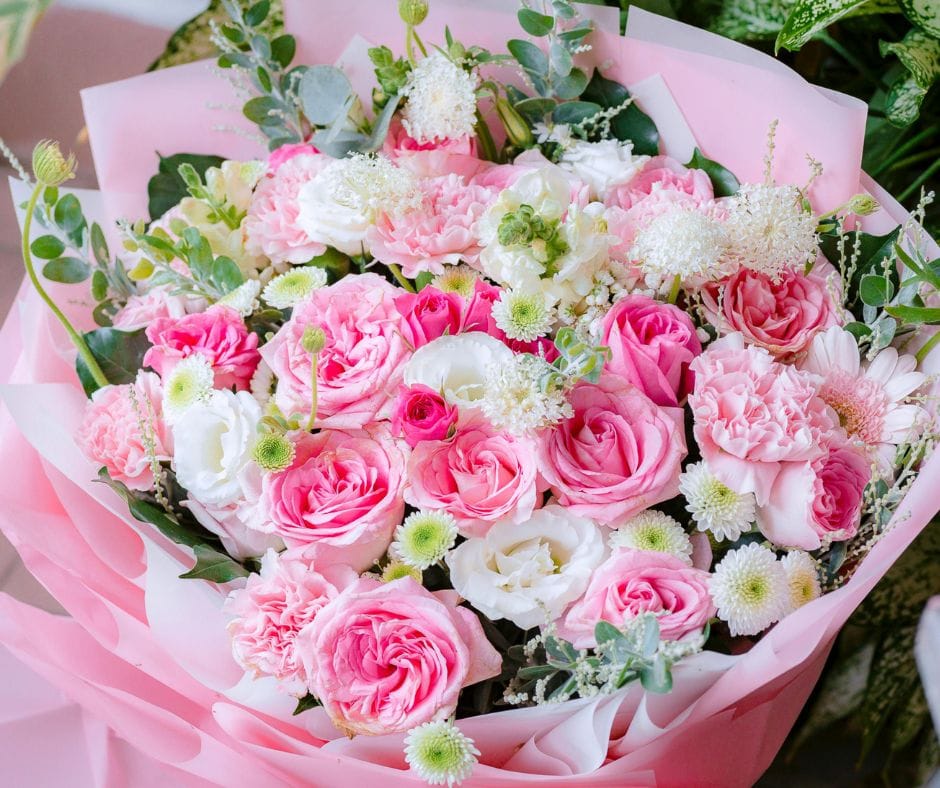
- Aroma: Rich, lush, and multi-layered. Unlike simpler rose scents, Grasse Rose has a velvety heart with hints of honey, green leaves, and musk profile. It evolves beautifully on the skin.
- Usage in Perfumes: It is a foundational note in many luxury perfumes, particularly in floriental and classic floral compositions. Because of its complexity, it adds depth and elegance that synthetic rose oils often lack.
- Extraction & Rarity: The roses bloom only once a year, and the extraction is delicate—usually solvent or steam distillation, sometimes enfleurage for ultra-traditional perfumery. This makes Grasse Rose rare and expensive.
- Why It Stands Out: Its aroma is simultaneously soft and intense, romantic but never cloying. It’s the rose most perfumers turn to when they want timeless elegance rather than a generic floral sweetness.
Scent Secrets
Floral and Botanical Notes – Real Grasse Rose on your skin? It’s like the rose queen just noticed you, gave you a little nod, and said, “Yep, you deserve this today.” Soft, velvety, and totally indulgent, it makes everything feel effortlessly luxurious and classy. The fake stuff? Mere peasants—flat, forgettable, and definitely not worthy of a sniff. Skip them and let the real queen do her magic!
Perfumes with Grasse Rose? They’re the true romantics of the fragrance world: Guerlain La Petite Robe Noire Eau de Parfum Absolue, Dior Poison Girl Eau de Toilette, AERIN Rose de Grasse Parfum, Givenchy Noctambule, Guerlain Rose Centifolia Extrait, and Maison Francis Kurkjian À La Rose Eau de Parfum. Each one flirts, lingers, and basically insists on being noticed—because roses never settle for anything less than unforgettable.
Luxury Floral and Botanical Notes in High-End Perfumes: Jasmine Sambac 🌼
Origin of the Name:
Jasmine Sambac comes from India and Southeast Asia. “Sambac” refers to a specific variety known for its intensely rich, floral fragrance. This isn’t your everyday jasmine—it’s prized in luxury perfumery for its depth and sensuality.
Story: Jasmine Sambac has a long history in Indian temple rituals. The flowers were often strung into garlands and offered to deities for their intoxicating aroma. In perfumery, it was brought to Europe by traders in the 18th century, where it became known as the “queen of the night” for its rich fragrance that blossoms most intensely after sunset. Legend has it that King Louis XV’s perfumer experimented with Sambac to create secret evening perfumes for the royal court, giving it its exotic, romantic reputation.
Quality & Characteristics of Jasmine Sambac
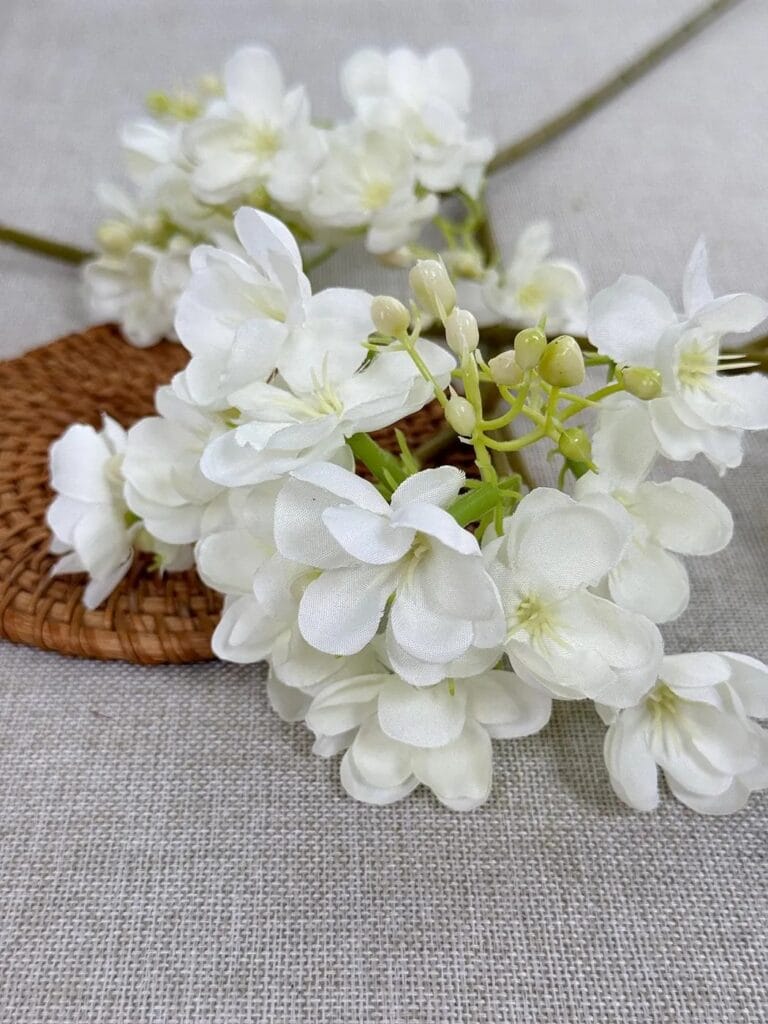
- Aroma: Creamy, opulent, and intoxicating. Jasmine Sambac carries sweet floral notes with subtle green and musky undertones. It blooms powerfully but elegantly on the skin.
- Usage in Perfumes: A central note in white florals, oriental, and romantic compositions. It adds warmth, depth, and an exotic flair that elevates a perfume from pretty to unforgettable.
- Extraction & Rarity: Traditionally extracted via solvent or CO₂ methods. The flowers are fragile and harvested by hand before dawn to capture their peak aroma, making high-quality Sambac rare.
- Why It Stands Out: Its sensual, captivating scent is strong but never overwhelming. Jasmine Sambac is the ultimate “romance note” for perfumers seeking luxurious intensity.
Scent Secrets
Alright, listen up—Jasmine Sambac? It’s like someone just flipped the charm switch and suddenly everyone’s paying attention. Creamy, intoxicating, and a touch mysterious, it leaves you feeling sultry, confident, and utterly unforgettable. Wearing it feels like stepping into a room and instantly turning heads, while also giving you this private little thrill that only you know about. The artificial stuff? Smells like it tried too hard and failed spectacularly.
Perfumes with Jasmine Sambac? Oh, they’re the divas of the perfume world: Tom Ford Jasmin Rouge Eau de Parfum, Chloe Atelier des Fleurs Jasminum Sambac Eau de Parfum, Chloe Nomade Jasmine Naturale Eau de Parfum, and Amouage Journey Woman. Each one struts its stuff, flaunts its charm, and basically dares you to fall completely under its spell.
Luxury Floral and Botanical Notes in High-End Perfumes: Orris Root 💜
Origin of the Name:
Orris comes from the rhizome (root) of Iris germanica or Iris pallida, cultivated mainly in France, Italy, and Morocco. The processed root, known as orris root, is one of the most precious ingredients in perfumery.
Story: Orris root was once called “florence root” in the Middle Ages. Iris rhizomes were buried in sand for several years to age, and only then could they be used in perfumery. There’s a famous tale of Renaissance perfumers in Florence who prized iris butter so much that it was used as currency among noble families. Its powdery, violet-like scent was said to evoke sophistication and grace—so much so that it was considered a mark of refinement to wear or possess iris-based perfumes.
Quality & Characteristics of Orris Root
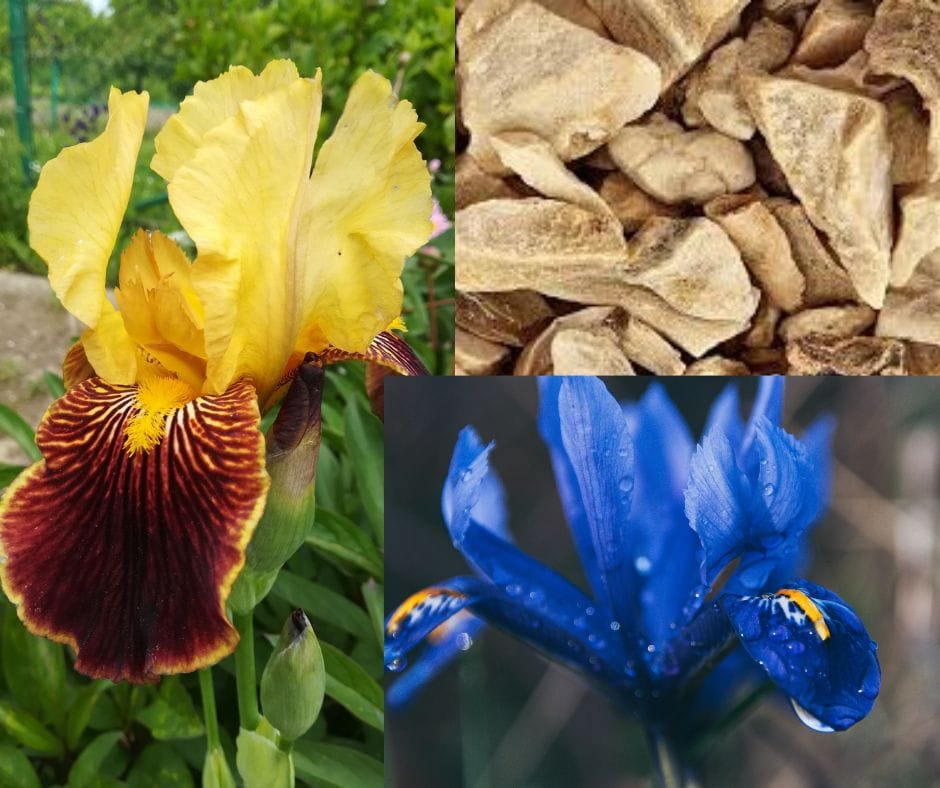
Aroma: Powdery, soft, and elegant with subtle violet nuances. Earthy and slightly woody undertones give it sophistication and depth.
Usage in Perfumes: Often used in high-end floral, woody, and oriental perfumes for its powdery sophistication. Acts as a bridge between floral and woody notes.
- Extraction & Rarity: The roots are dried and aged for 3–5 years before extraction. Only then do they produce orris butter, which is highly expensive due to laborious cultivation and processing.
- Why It Stands Out: Iris offers unmatched powdery elegance that can’t be fully replicated synthetically. It adds refinement and luxurious sophistication to any composition.
Scent Secrets
Okay, real talk—Orris Root on your skin? It’s like the controversial genius of perfumes just walked in and whispered, “Yes, you’ve got this.” Powdery, smooth, and magnetic, it makes you feel intriguing, sophisticated, and a little daring. Wearing it feels like taking a secret stroll, where everyone notices but no one knows why. This particular artificial version? It smells like it was engineered to perfection—clean, calculated, and completely lifeless.
Perfumes with Orris Root? Think of them as the bold, powdery charmers everyone secretly loves: Prada Infusion d’Iris, Guerlain Shalimar Millésime Iris, Byredo De Los Santos, and Dries Van Noten Bitter Splash. Each one glides in quietly, but once it’s on your skin, it leaves a trail of intrigue you can’t ignore.
Luxury Floral and Botanical Notes in High-End Perfumes: Lavender (Provence) 💜
Origin of the Name:
Lavender from Provence, France, is considered the gold standard in aromatic lavender. Grown in the sunny fields of southern France, it produces fresh, nuanced essential oils prized for their clarity and depth.
Story: Provence lavender has a story that’s both aromatic and legendary. In the 18th century, lavender fields were tended by monks who believed the flowers had protective and healing powers. They used lavender water to scent their robes and monasteries, and travelers would carry sachets of Provence lavender to ward off disease. Napoleon Bonaparte’s army even relied on lavender water in their kits as an antiseptic for wounds. Its crisp, fresh scent isn’t just beautiful—it’s steeped in history.
Quality & Characteristics of Lavender from Provence
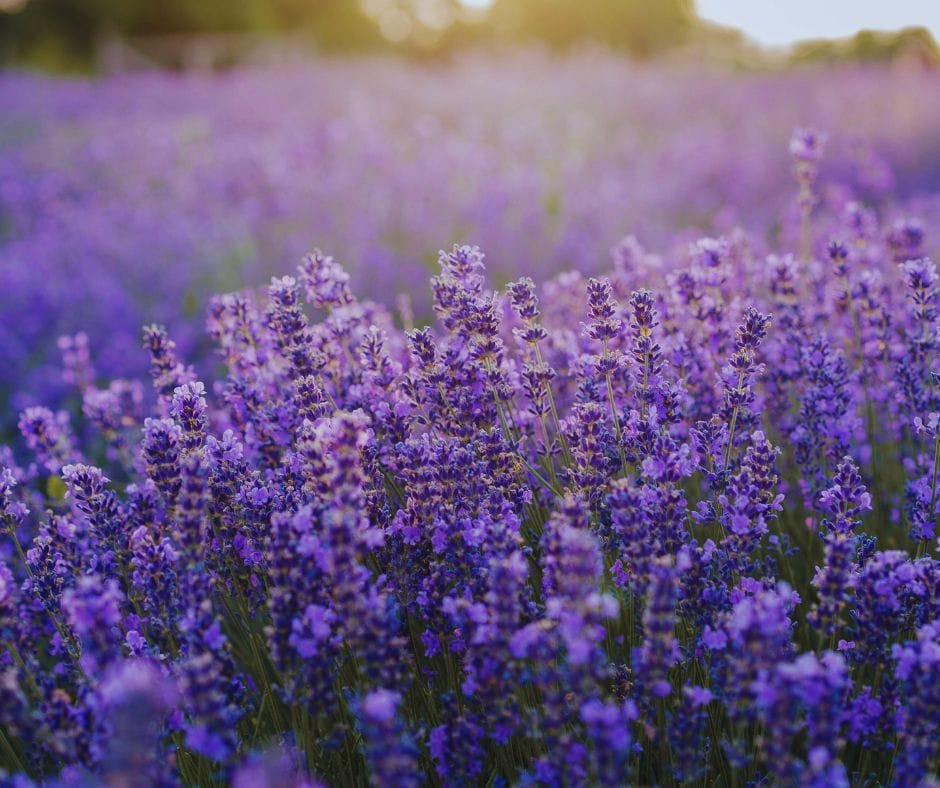
- Aroma: Fresh, herbal, slightly sweet, and naturally calming. Cleaner and more sophisticated than generic lavender.
- Usage in Perfumes: Often a top note, adding freshness, aromatic clarity, and balance to floral, citrus, and aromatic compositions.
- Extraction & Rarity: Distilled from the flowering tops using steam distillation. The peak aroma is captured only during the flowering season, making Provence lavender especially prized.
- Why It Stands Out: Its crisp, soothing scent evokes the sunlit French countryside. It adds effortless elegance and refinement to perfumes without overpowering them.
Scent Secrets
Floral and Botanical Notes – Ever notice how some lavender smells kind of… plain? The real Provence stuff wakes up on your skin bright and fresh, instantly putting you in a great mood, stretches a little, and then settles into a soft herbal hug that leaves you feeling cheerful and calm. The mass‑produced versions? They show up, say “hi,” and disappear without any sparkle. So next time you reach for lavender, let your nose choose the one that actually feels alive. Your senses will be very proud of you.
Perfumes with Lavender from Provence? Think of them as the fresh, aromatic rebels of the fragrance world: YSL Libre, Le Labo Lavande 31, Jean Paul Gaultier Le Male, and Issey Miyake L’Eau d’Issey Pour Homme Solar Lavender. Each one breezes in with confidence, leaving a trail of calm mischief wherever it goes.
Luxury Floral and Botanical Notes in High-End Perfumes: Tuberose 🤍
Origin of the Name:
Tuberose is native to Mexico but cultivated worldwide for perfumery, including in France and India. Its name comes from the Latin “tuber,” referring to its underground bulb. Known for its intense, exotic flowers, it’s a luxurious floral staple.
Story: Tuberose was discovered in Mexico and was immediately revered for its intense, heady fragrance. The Aztecs believed it had mystical powers, using it in ceremonial offerings to the gods. When the flowers arrived in Europe in the 16th century, they caused quite a stir. French perfumers nicknamed it “the night-blooming queen” because its scent becomes more intoxicating after dark.
Quality & Characteristics of Tuberose
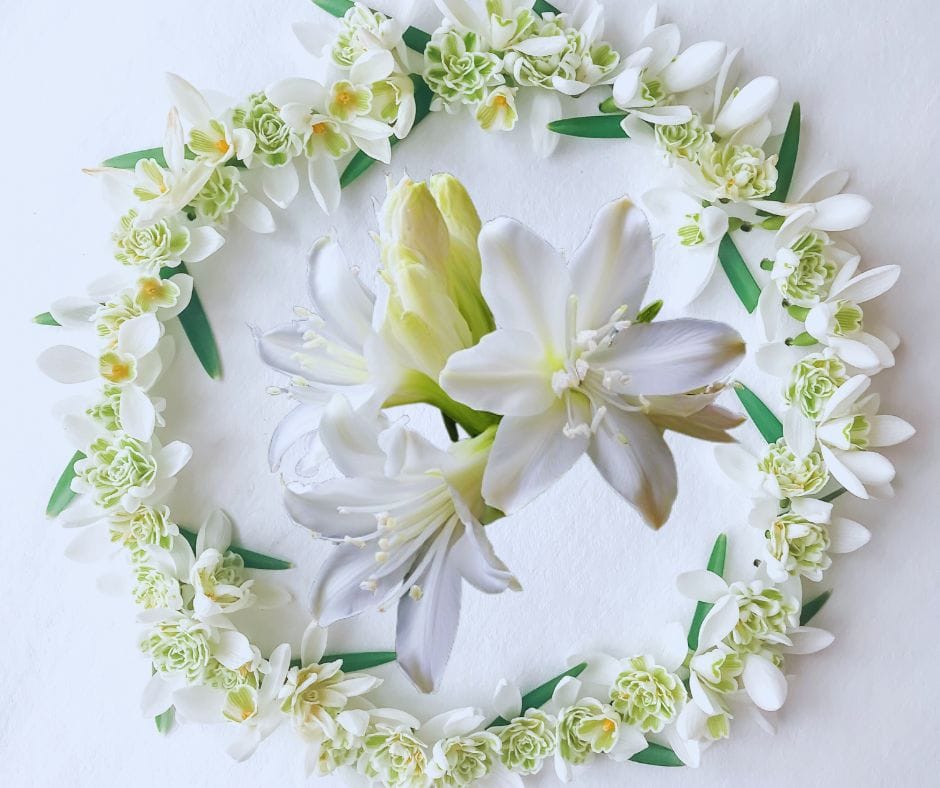
- Aroma: Bold, tropical, creamy, and almost narcotic. Intensely floral with a slight green undertone that prevents it from smelling cloying.
- Usage in Perfumes: Often a statement floral in night-time, exotic, or luxurious perfumes. Works beautifully with citrus, woods, and spices.
- Extraction & Rarity: Traditionally extracted via solvent or enfleurage. Hand-harvested at night for peak fragrance, making it rare and valuable.
- Why It Stands Out: Its powerful, unforgettable presence commands attention. A little goes a long way, and high-quality tuberose evolves beautifully from fresh to creamy to lingering on the skin.
Scent Secrets
Floral and Botanical Notes – Tuberose on your skin? It’s like a bold, cheeky diva just sashayed into your life and refuses to leave. She knows her worth and isn’t shy about showing it. Utterly head-turning, it makes you feel confident, daring, and ready to own the spotlight. The artificial stuff? Like fake fireworks—loud, flat, and totally forgettable.
Perfumes with Tuberose? Think of them as the bold, flirtatious divas of the fragrance world: Serge Lutens Tubéreuse Criminelle, Frederic Malle Carnal Flower, Guerlain Joyeuse Tubéreuse, and Armani My Way. Each one struts in unapologetically, making sure everyone knows it’s the star of the show.
Luxury Perfume Ingredients: Floral and Botanical Notes, Fragrances & Characteristics
| Flower / Ingredient | Designer / Niche Perfumes | Key Characteristics |
|---|---|---|
| Grasse Rose 🌹 | Guerlain La Petite Robe Noire Absolue, Dior Poison Girl, AERIN Rose de Grasse, Givenchy Noctambule, MFK À La Rose | Lush, velvety, multi-layered, romantic, timeless |
| Jasmine Sambac 🌼 | Tom Ford Jasmin Rouge, Chloe Atelier Jasminum Sambac, Chloe Nomade Jasmine Naturale, Amouage Journey Woman | Creamy, opulent, exotic, intoxicating, night-blooming |
| Iris (Orris Root) 🔵 | Prada Infusion d’Iris, Guerlain Shalimar Millésime Iris, Byredo De Los Santos, Dries Van Noten Bitter Splash | Powdery, soft, earthy, refined, luxurious |
| Lavender (Provence) 💜 | YSL Libre, Le Labo Lavande 31, Jean Paul Gaultier Le Male, Issey Miyake Solar Lavender | Fresh, aromatic, herbal, crisp, calming |
| Tuberose 🤍 | Serge Lutens Tubéreuse Criminelle, Frederic Malle Carnal Flower, Guerlain Joyeuse Tubéreuse, Armani My Way | Bold, tropical, creamy, radiant, head-turning |
And That’s the Secret Life of Floral and Botanical Notes
So, there you go—the fabulous dance of floral perfume ingredients, from the swoony Grasse Rose to the bold, night-blooming Tuberose. Each note has its own story, its own personality, and little secrets that make people whisper, “What is that scent? She’s not telling a soul.”
Some are flirty, some are sultry, and some just steal the spotlight. Next time you spritz a perfume, watch how these notes strut, mingle, and linger—it’s basically eavesdropping on a secret, scented gossip session… and trust me, the tea is intoxicating.
Meet the Author

Written by Yana – perfume lover, storyteller, and creator of Fragrance Passion Blog
Your support means everything to me and keeps the creativity flowing! I’m so grateful and love sharing my passion with you! If you’d like to help me keep creating, feel free to buy me a coffee. Buy Me a Coffee, It truly makes a difference—thank you!
Support here:

FragrancePassionBlog – Love fragrance and pretty things? My Pinterest is your new happy place! Let’s get inspired together.
Stay close and see what’s sparkling over on Pinterest! Join here!
FragrancePassionBlog – Want to chat all things perfume with fellow scent lovers? Come hang out with us on Facebook!
Facebook Page: facebook.com/fragrancepassionblog
Facebook Group: facebook.com/groups/fragrancepassionblog
Guess what? My little shop is officially open on Buy Me a Coffee! Think of it as a cozy corner where you can grab some digital goodies while supporting my work. You’ll find exclusive digital goodies—from mobile wallpapers, greeting cards, eBooks to my random but brilliant thoughts about scent, style, and life. Think of it as your go-to spot for a daily dose of inspiration (and maybe a little shopping temptation).
Take a peek here:
Please, don’t forget to read my disclaimer.